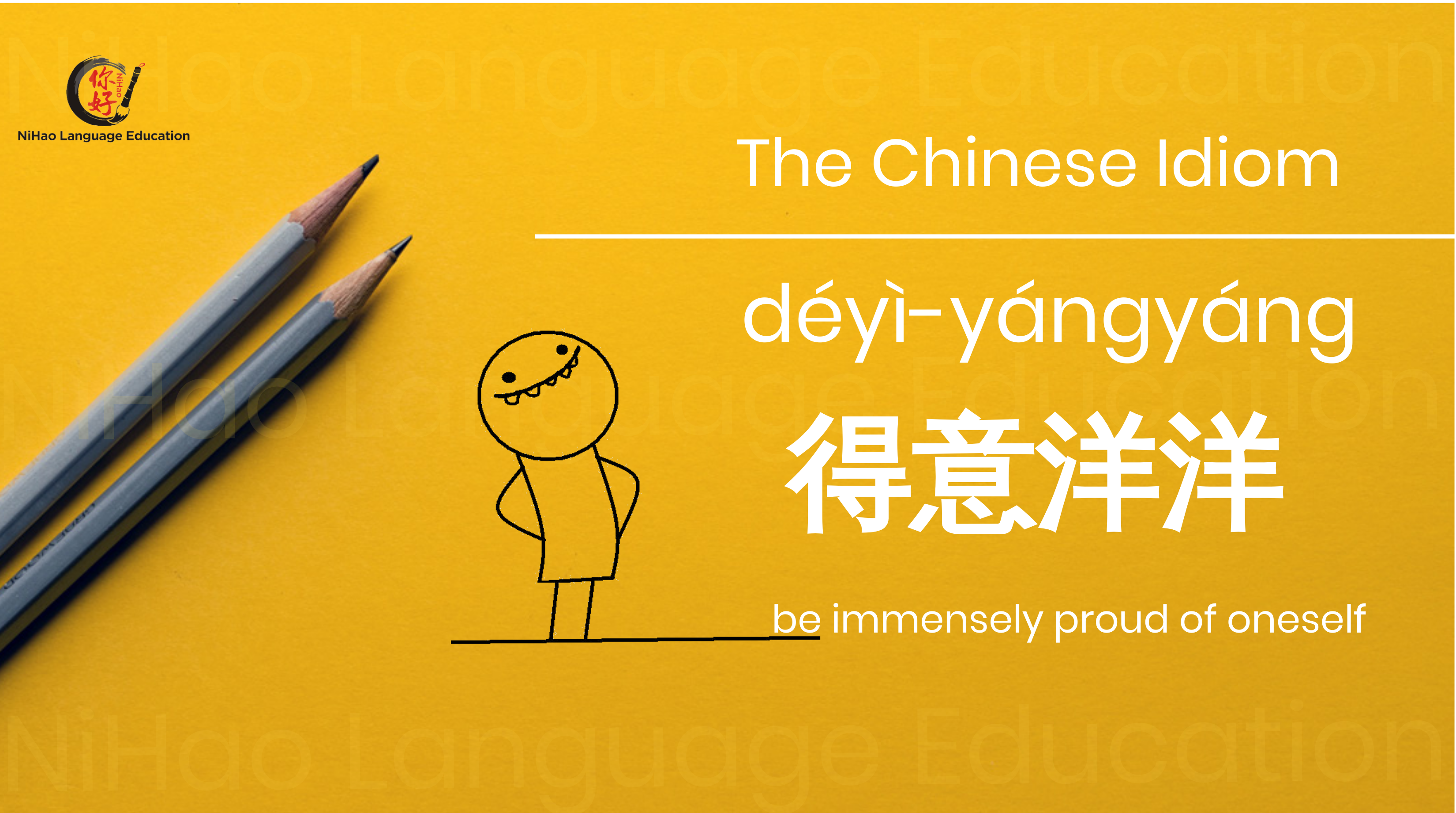
得(dé)意(yì)洋(yáng)洋(yáng) “得意洋洋”形容称心如意时神气十足的样子。 ‘Déyì-yángyáng’ is used to describe one is immensely proud of himself. 得(dé)意(yì): complacent; proud of oneself 洋(yáng)洋(yáng): self-satisfied Examples例句: A: 为什么他看上去得意洋洋的? B: 老师刚才表扬了他几句。 2. 他得意洋洋地给他的同事看他新买的车。
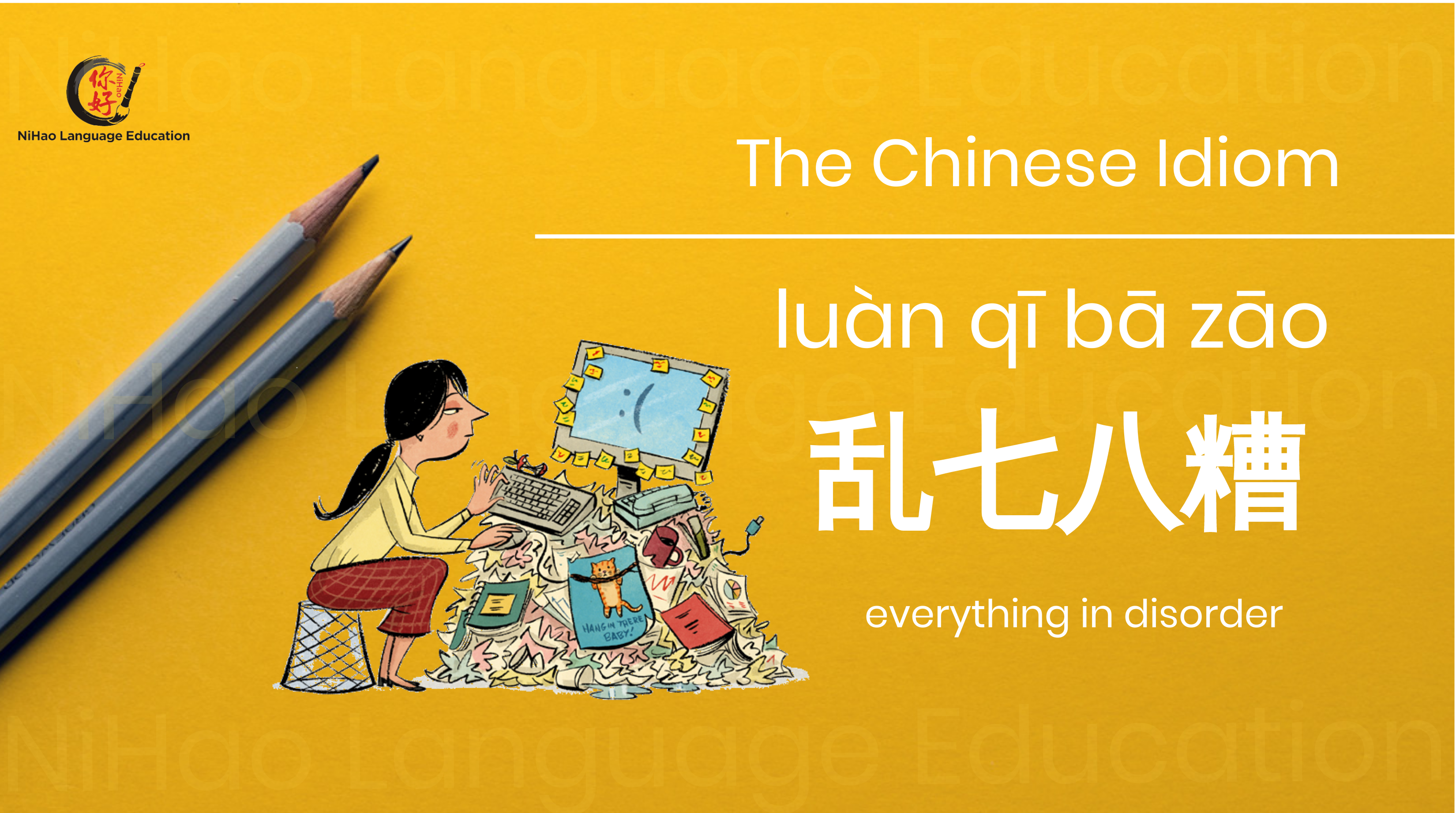
乱(Luàn)七(qī)八(bā)糟(zāo) “乱七八糟”形容混乱,毫无条理。‘Luànqī-bāzāo’means ‘in dreadful disorder’. 乱(luàn): in disorder 七(qī): seven 八(bā): eight 糟(zāo): terrible Examples例句: A: 不好意思,我家里乱七八糟的。 B: 没关系。 2. A: 墙上写的乱七八糟的是什么东西啊?B: 是一些非法广告。
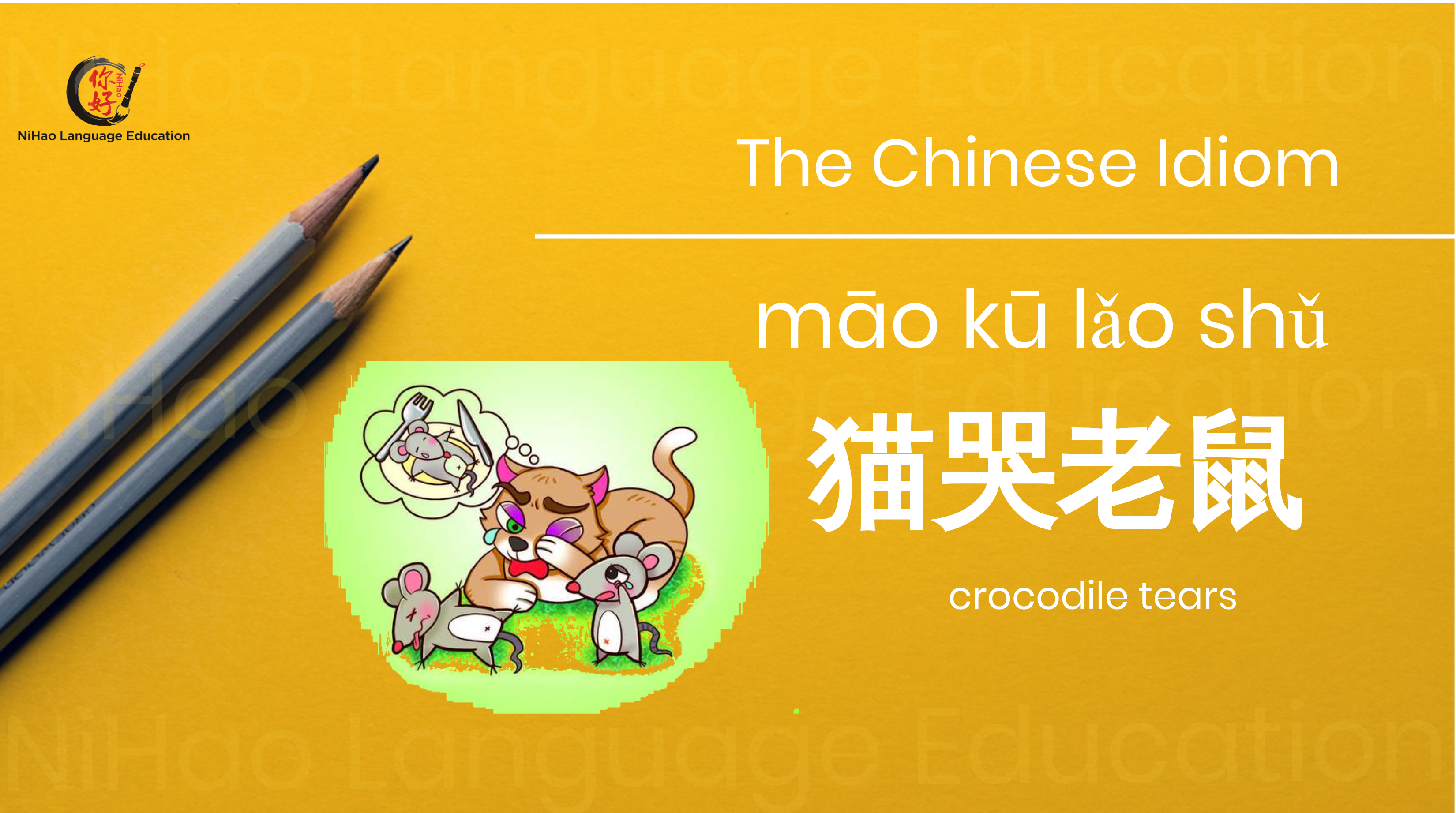
猫(Māo) 哭(kū) 老(lǎo)鼠(shǔ) “猫哭老鼠”比喻假慈悲。 ‘Māokū-lǎoshǔ’ is a metaphor for the act of pretending to be sympathetic or compassionate. It is similar to ‘crocodile tears’ in English. 猫(māo): cat 哭(kū): to cry 老(lǎo)鼠(shǔ): mouse; rat Examples例句: A: 王经理听说你生病了,很担心你。 B: 真是猫哭老鼠,是他让我天天加班,我才累病了。 …
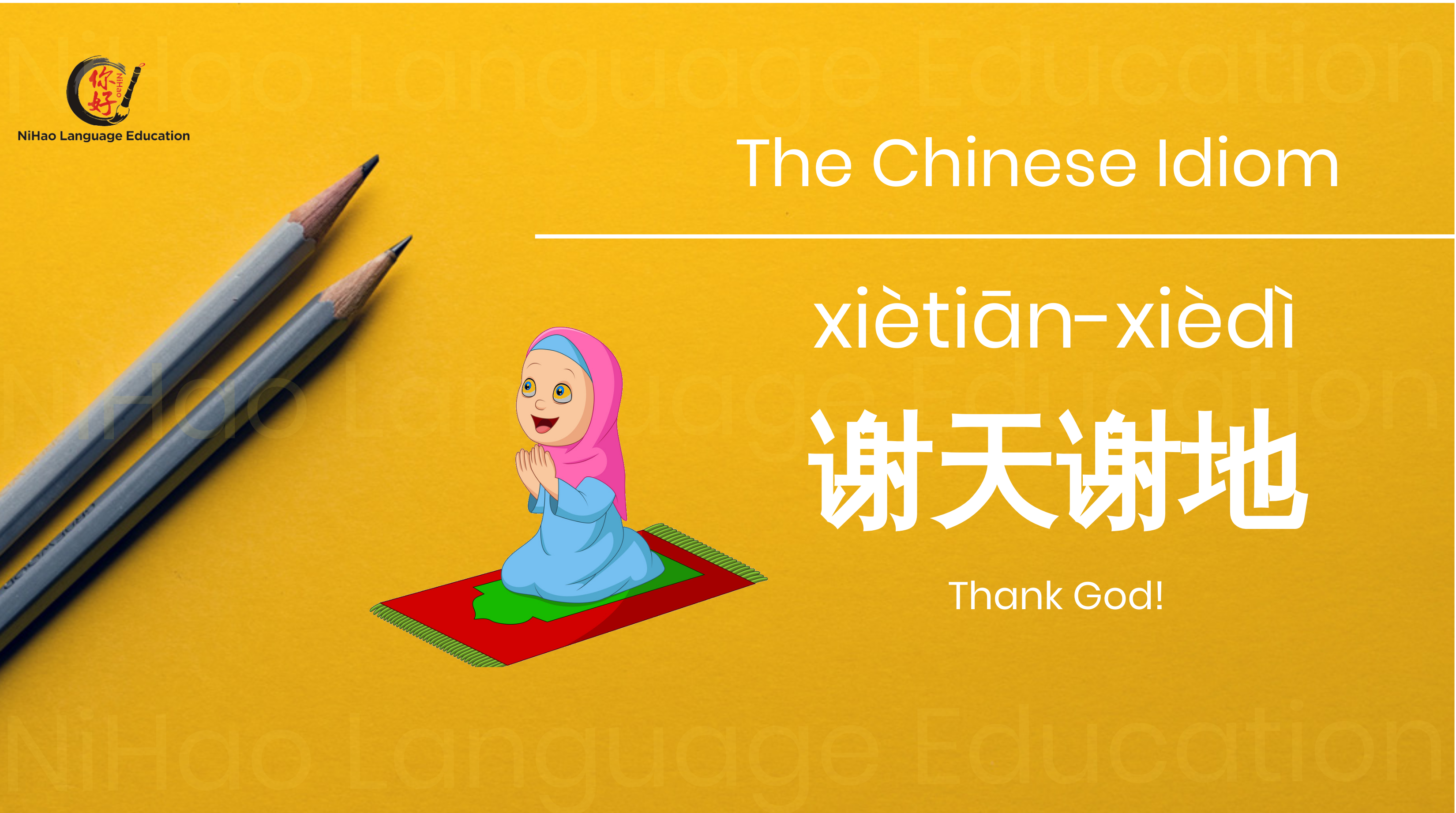
Chinese idiom ‘Xiètiān-xièdì’ means ‘to thank God’. It is used to express the gratefulness or gladness of having avoided something bad or getting a satisfactory result. 中国成语“谢天谢地”表示目的达到或困难解除后感激或庆幸地心情。 谢(xiè): to thank 天(tiān): sky; heaven 谢(xiè): to thank …
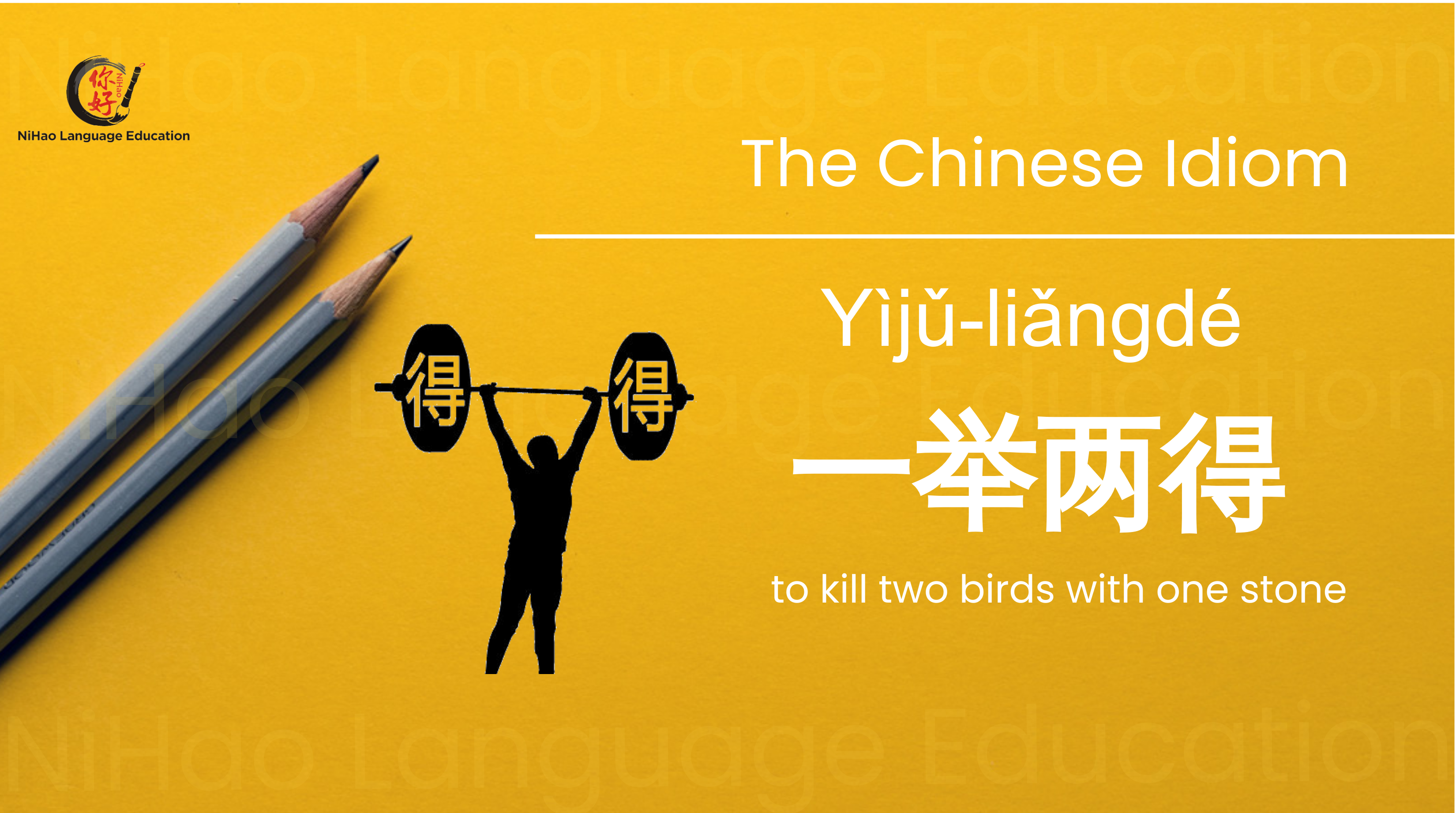
Chinese Idioms Series 一举两得 Yìjǔ-liǎngdé 一 yì: one 举 jǔ: act 两 liǎng: two 得 dé: gains 一举两得 Yìjǔ-liǎngdé: …
只要功夫深,铁杵磨成针 zhǐ yào gōng fu shēn , tiě chǔ mó chéng zhēn Every language has idioms, sayings, or set phrases. Chinese is no different. In Chinese, an idiom is called 成语 (chéng yŭ) and it’s usually composed of 4 characters. This …