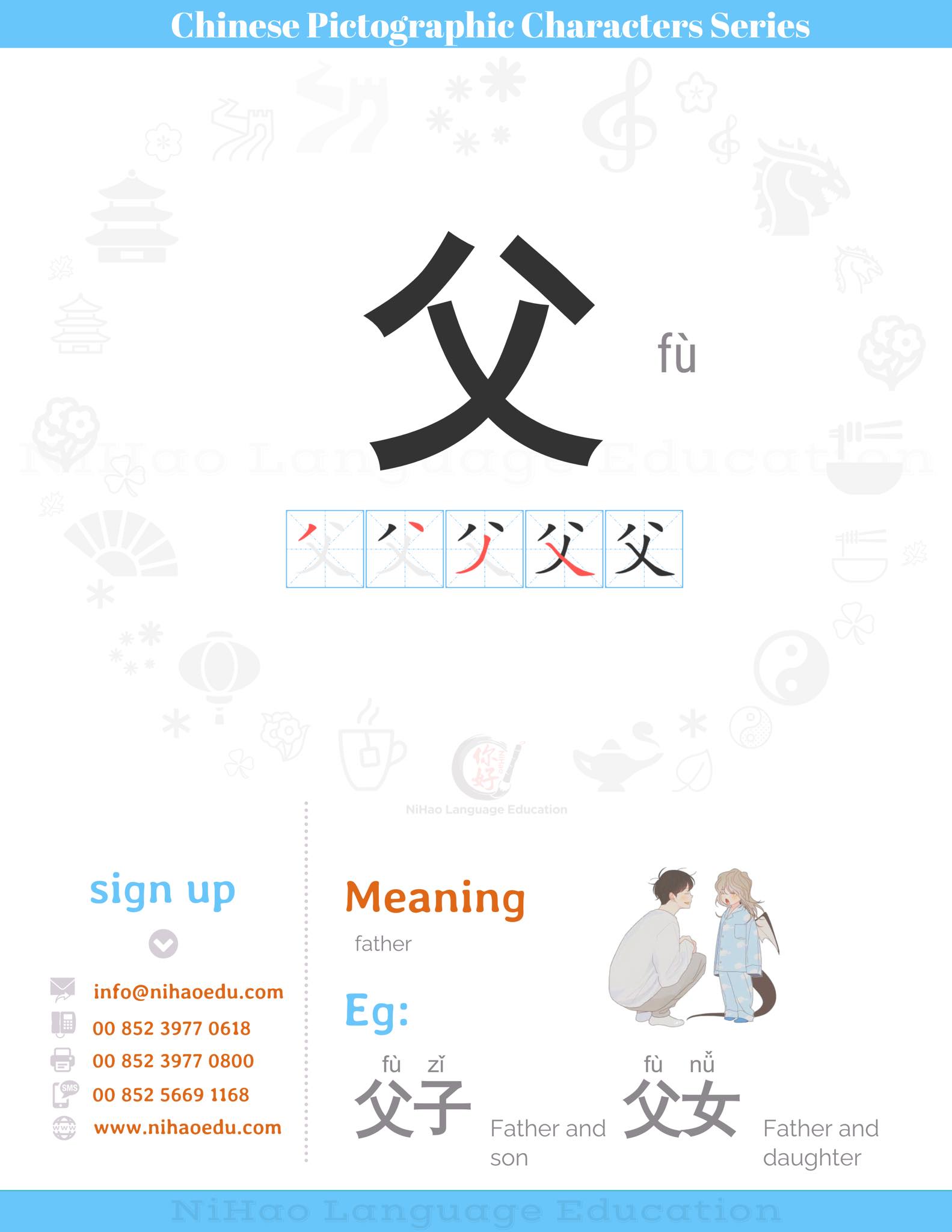
The earliest form of the word 父fù looks like a hand holding a stone ax, which was then a weapon used to kill animals, as well as an essential tool in daily life. As using an ax required strength, such …
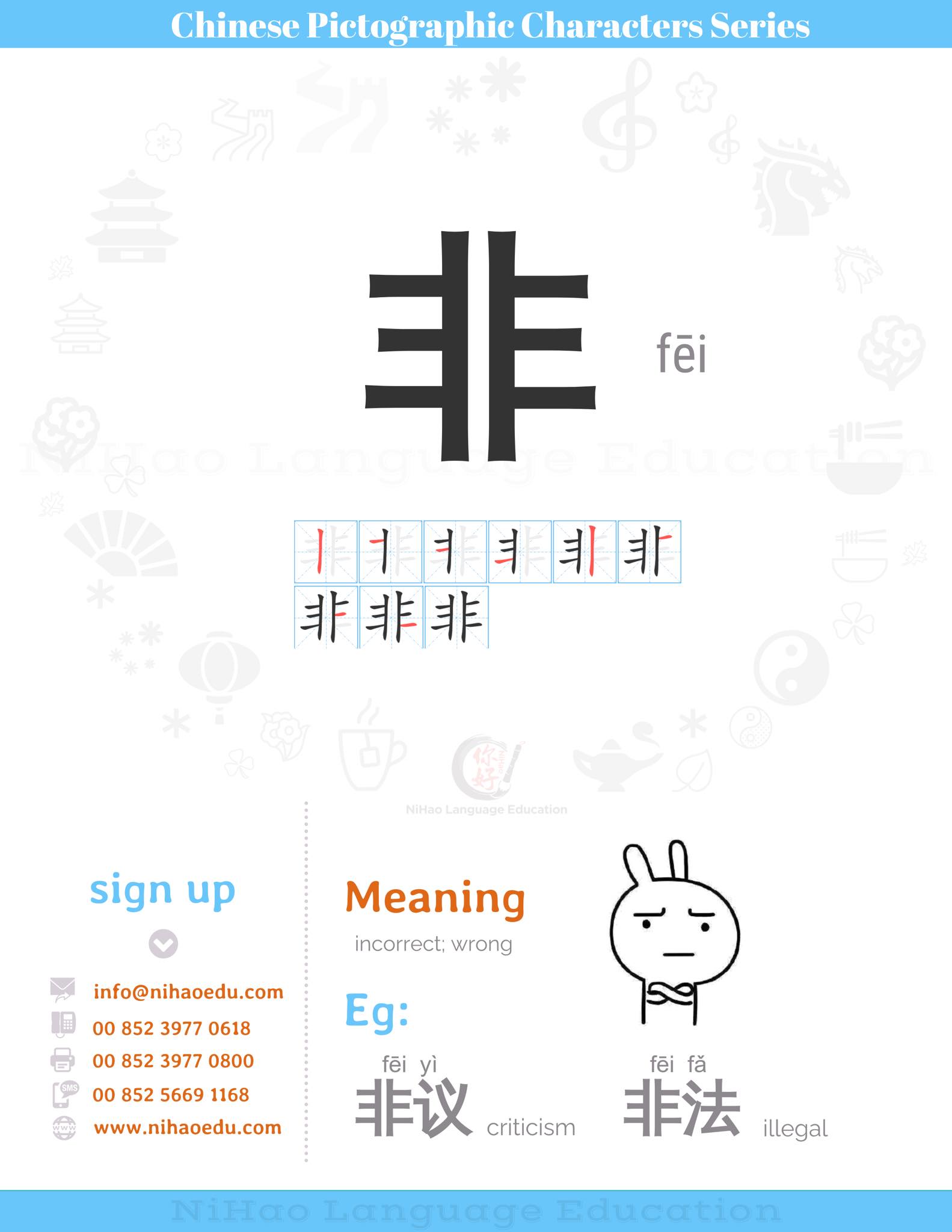
The pictogram of the word 非 depicts a bird’s wings spreading in opposite direction, indicating that the two are opposite or against each other. By extension, the word means ‘incorrect’ or something that is wrong, for example, 是非 (shì fēi, …
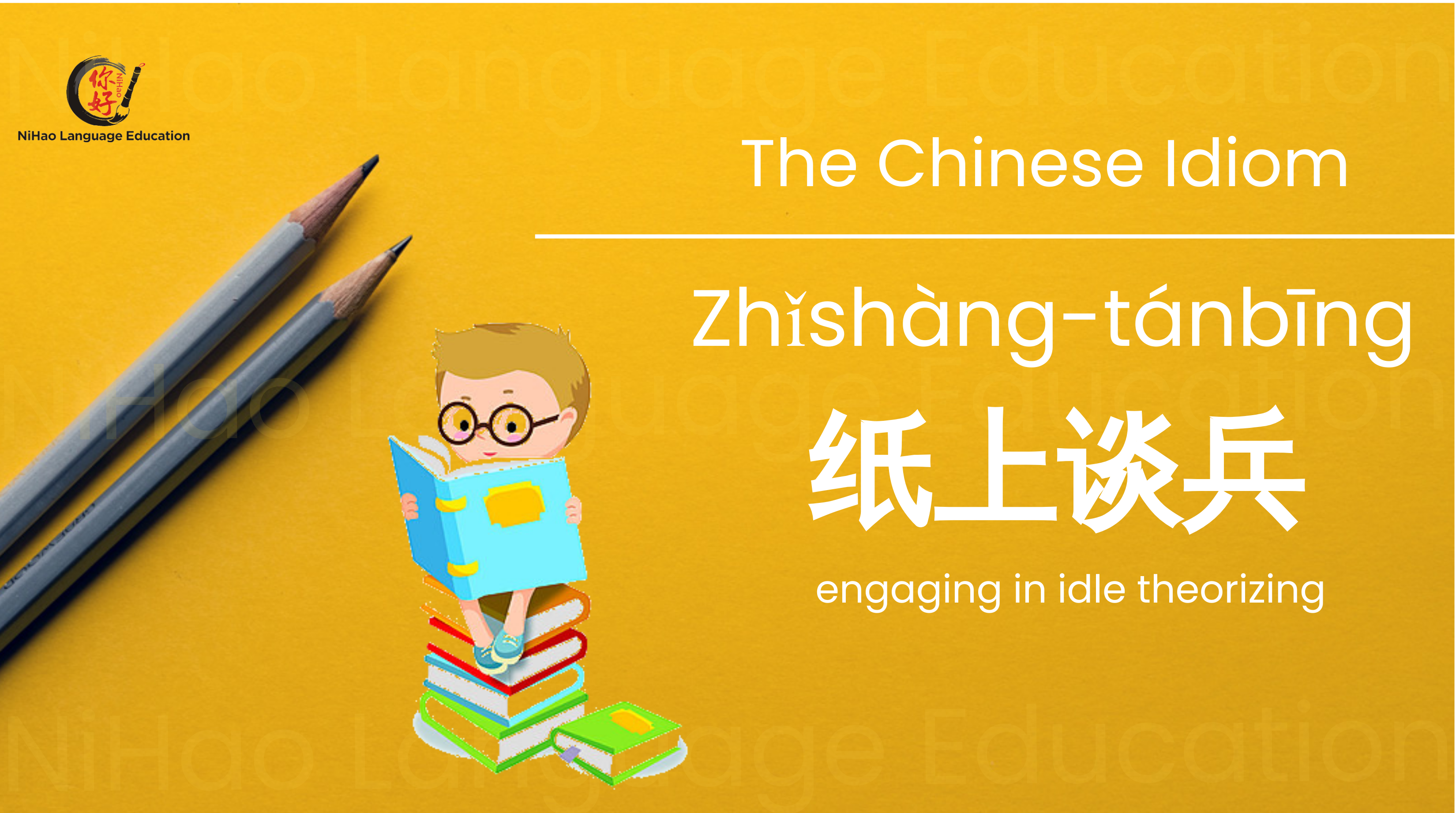
纸 zhǐ: paper 上 shàng: on 谈 tán: to talk about 兵 bīng: soldier; military matters 纸上谈兵 Zhǐshàng-tánbīng: means to talk about military matters on paper. It is a metaphor for engaging in idle theorizing. It is similar to English expression ‘be an armchair strategist’. “纸上谈兵”比喻空谈理论,不能解决实际问题;也比喻空谈不能成为现实。 Examples例句: 1. …
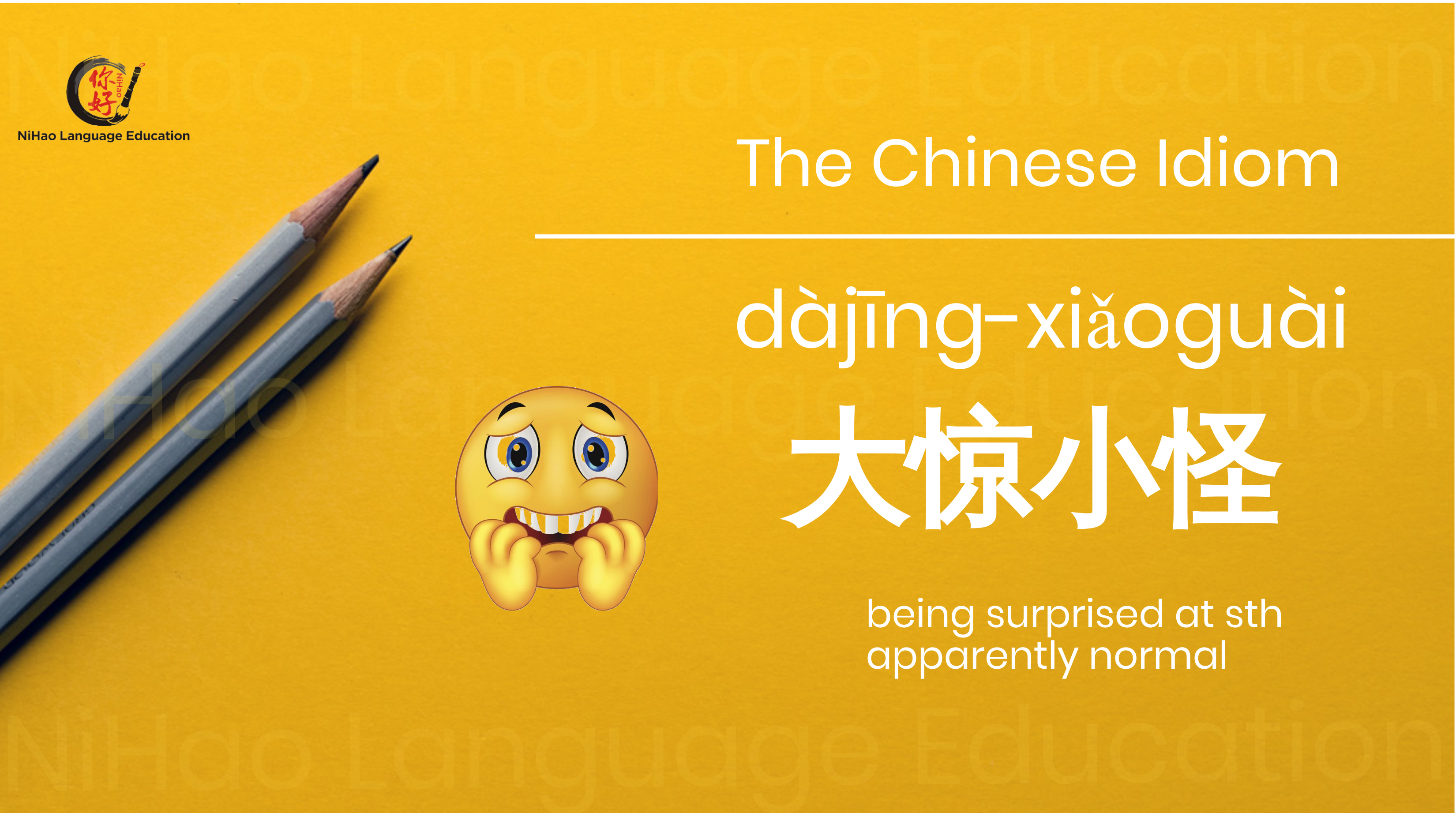
大(Dà)惊(jīng)小(xiǎo)怪(guài) “大惊小怪”形容对于不足为奇的事情过分惊讶。 ‘Dàjīng-xiǎoguài’is used to describe being surprised at something apparently normal. 大(dà): big 惊(jīng): surprised; amazed 小(xiǎo): small 怪(guài): strange Examples例句: A: 啊?这套房子要二十万块一平方米啊! B: 没什么大惊小怪的,房子的地段好。 2. A: 你知道吗?在他们家里,每天都是她先生做饭。 B: 你太大惊小怪了。现在男人做家务的可不少啊。